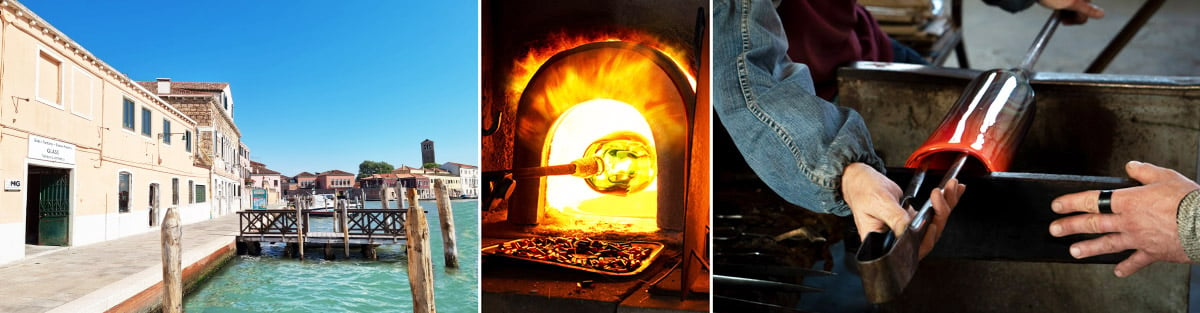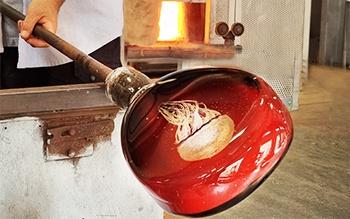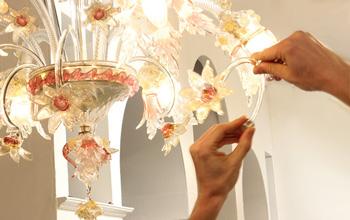



The first thing that strikes you when you step into a Murano glass factory is the light: colors glow intensely, the glass seems almost alive, constantly changing as you watch it.
Among the many techniques developed on the island, one continues to amaze even those who know glassmaking well: chalcedony glass.

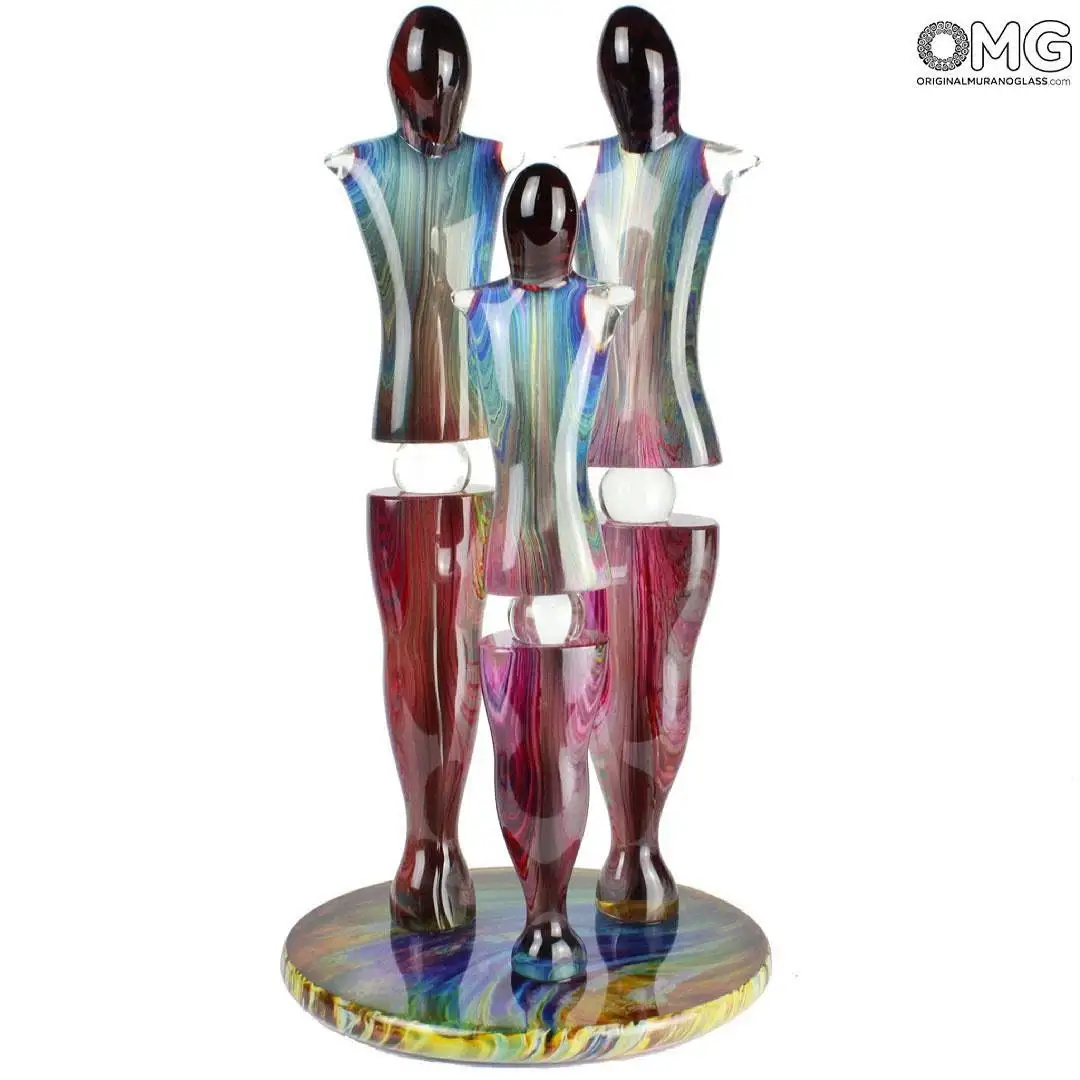
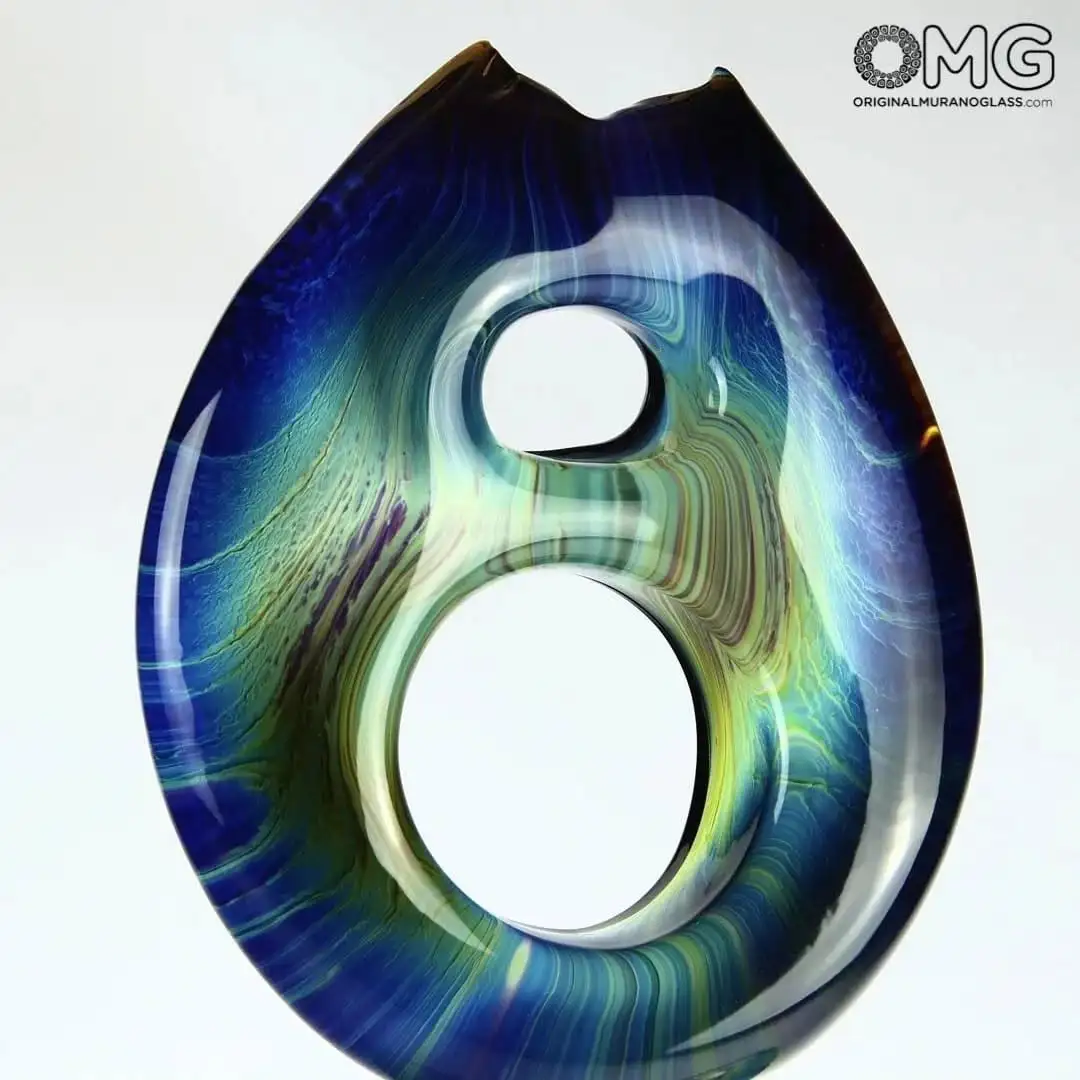
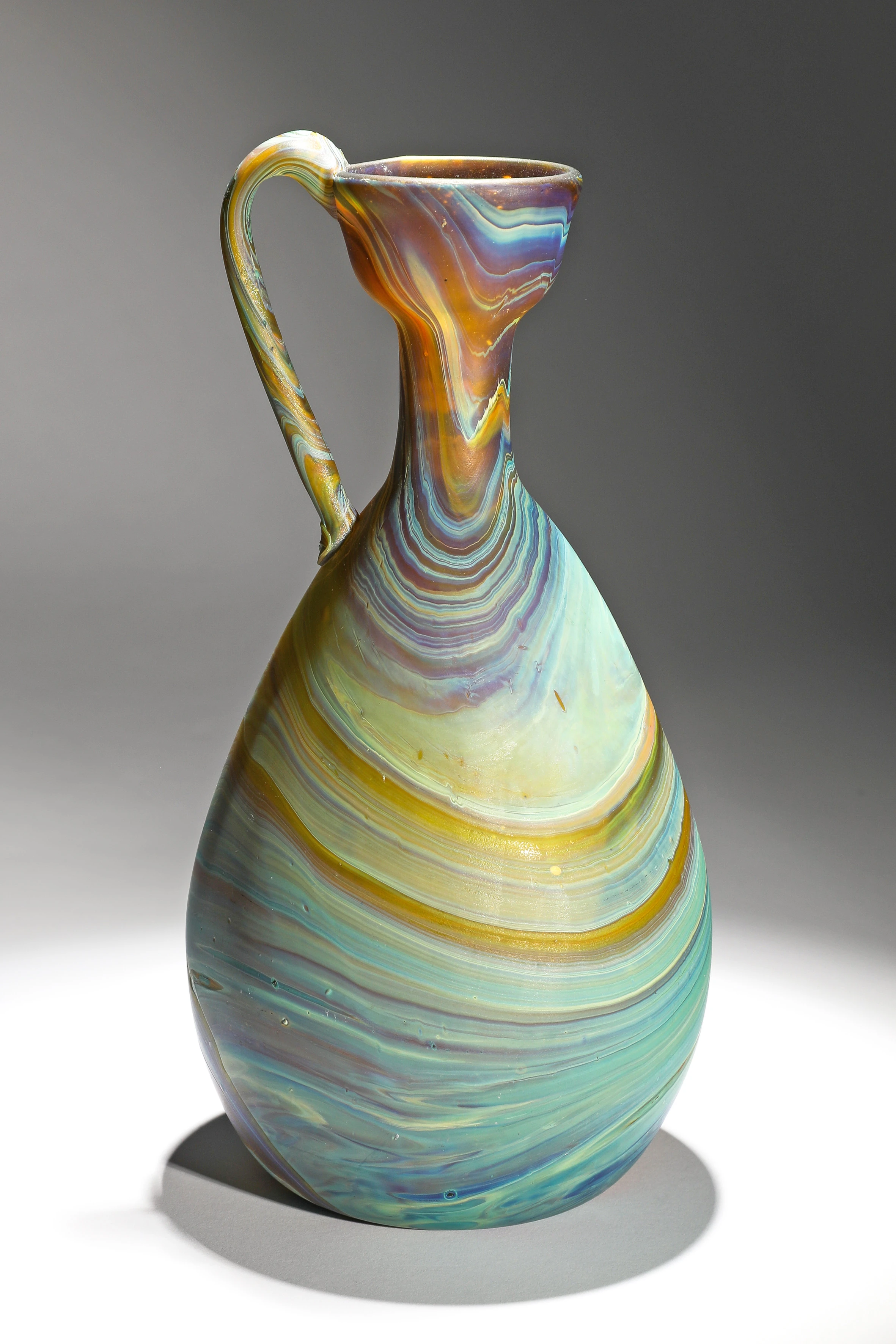
From a distance, it looks remarkably like natural stone, and it's easy to find yourself staring at a surface that seems to deceive the eye.
At first glance, many people assume they're looking at a carved gemstone.

Its veins, color variations, and layered shades resemble materials such as agate, jasper, and chalcedony—the very stones that inspired the name of this technique.
The surprise comes when you move closer and discover that it isn't stone at all, but glass.

An Invention Born During the Renaissance

The earliest experiments with chalcedony glass date back to the 16th century, when Murano's furnaces were filled with curious and inventive master glassmakers.
They worked largely through experimentation—mixing materials, testing formulas, and observing the results inside the furnace.
Many discoveries happened by chance: a different blend or an unexpected reaction could lead to an entirely new technique.
That is how a type of glass capable of imitating precious stones was created, an innovation that quickly attracted attention.
Before long, it was highly sought after in Venice and throughout the courts of Europe.
A Lost Technique Rediscovered

After flourishing for nearly two centuries, the technique gradually faded into obscurity.
Chalcedony glass was effectively lost during the 18th century and was not rediscovered until the mid-19th century through the research of Lorenzo Radi (1803–1874).

In 1856, Radi was awarded a silver medal for his glass compositions and, in particular, for successfully reproducing glass that imitated quartz, agate, and chalcedony.
After years of study and experimentation, he succeeded in recreating the same composition used for chalcedony glass during the 15th century.

Many of his finest chalcedony works are now preserved at the Murano Glass Museum, to which he donated them in 1861.

lorenzo radi calcedonio glass

Why Every Piece Is Unique

One of the most fascinating characteristics of chalcedony glass is its unpredictability.
Even when the same process is followed, the final result is never exactly the same twice.

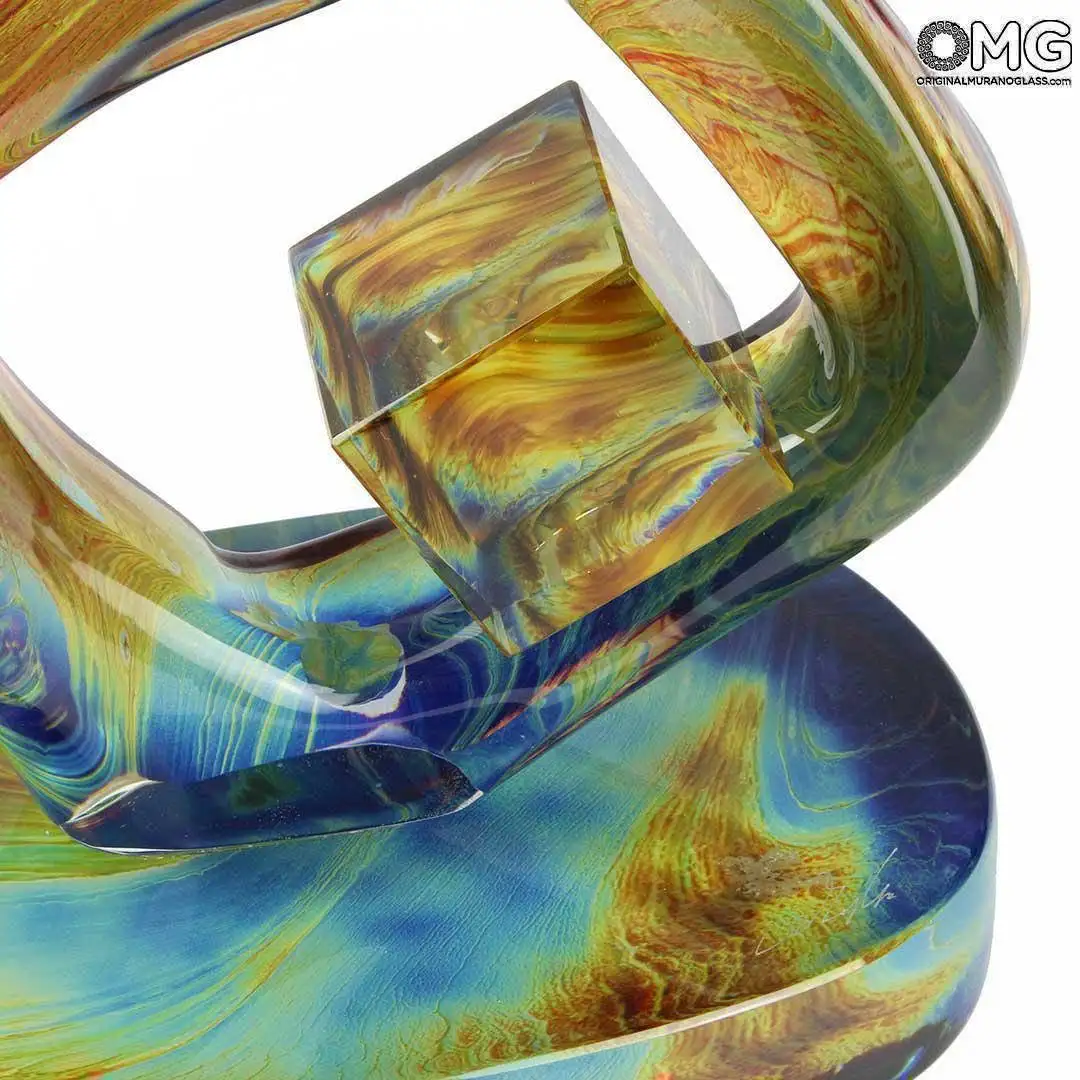
Colors blend naturally and spontaneously, creating veins, clouds of color, and subtle details that make every piece completely unique.
This individuality is precisely what makes chalcedony glass so highly admired by collectors and enthusiasts.

When observing a chalcedony vase or sculpture, you'll often notice colors that seem to emerge from within the glass itself, subtly shifting in intensity depending on the light and viewing angle.

At Original Murano Glass OMG, our chalcedony glass creations include:
- Art glass pieces, including sculptures and figurines
- Collectible bracelets and necklaces
Custom made creations are also available upon request.
Feel free to contact us for more information about personalized designs and custom projects.

calcedonio details

A Technique That Demands Experience

Unlike more predictable glassmaking techniques, chalcedony glass requires an exceptional understanding of the material.
The master glassmaker must constantly interpret the behavior of the molten glass throughout the process, adjusting timing and movements according to its reactions.

  1. deep knowledge of glass formulas and chemical reactions;
  2. continuous control of working temperatures;
  3. the ability to adapt to constantly changing results;
  4. years of experience combined with artistic sensitivity.

For this reason, chalcedony has long been considered one of the most challenging techniques practiced in a glass furnace.
Technical knowledge alone is not enough—it also requires intuition, sensitivity, and years of hands-on experience.
Even today, many collectors appreciate chalcedony glass precisely because it retains an element of unpredictability that makes every creation truly unique.

scultura vetro calcedonio

A Timeless Fascination

Although this technique was developed centuries ago, chalcedony glass continues to captivate modern audiences.
Its natural color variations complement both traditional interiors and contemporary spaces, creating a fascinating connection between heritage craftsmanship and modern design.

This enduring appeal is one of the reasons chalcedony glass remains one of the most admired expressions of Murano artistry.
Each piece tells its own story and invites the viewer to pause and appreciate the details, much like observing a natural stone shaped by time itself.

Explore our exclusive collection of chalcedony glass creations.

calcedonio glass murano