


Is Murano glass simply decorative… or can it also be considered a real investment?
People often purchase Murano glass for its aesthetic and emotional value.
A vase, sculpture, or chandelier becomes part of a space, reflects a personal style, and carries centuries of tradition.
But especially in recent years, more and more people have started asking a different question: can Murano glass increase in value over time?
The answer isn’t a simple yes or no—it depends on several factors that go far beyond the object’s beauty alone.
When Murano glass becomes an investment
Not every Murano glass piece has the same long-term potential.
Some works can gain value over time and become highly collectible.
This is especially true when it comes to:
- pieces created by recognized master glassmakers;
- unique works or limited-edition productions;
- objects connected to specific artistic movements or historical periods;
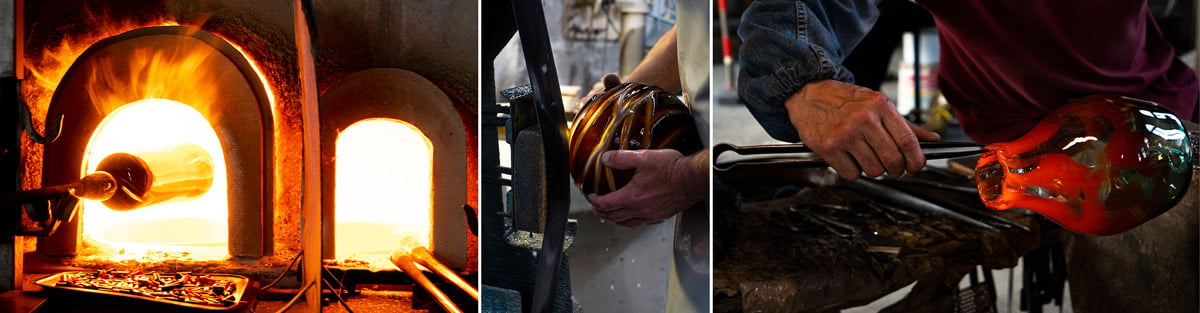
- creations from renowned historic furnaces.
In these cases, Murano glass moves beyond decorative craftsmanship and enters the world of art and collecting.
And that’s where it can truly become an investment.
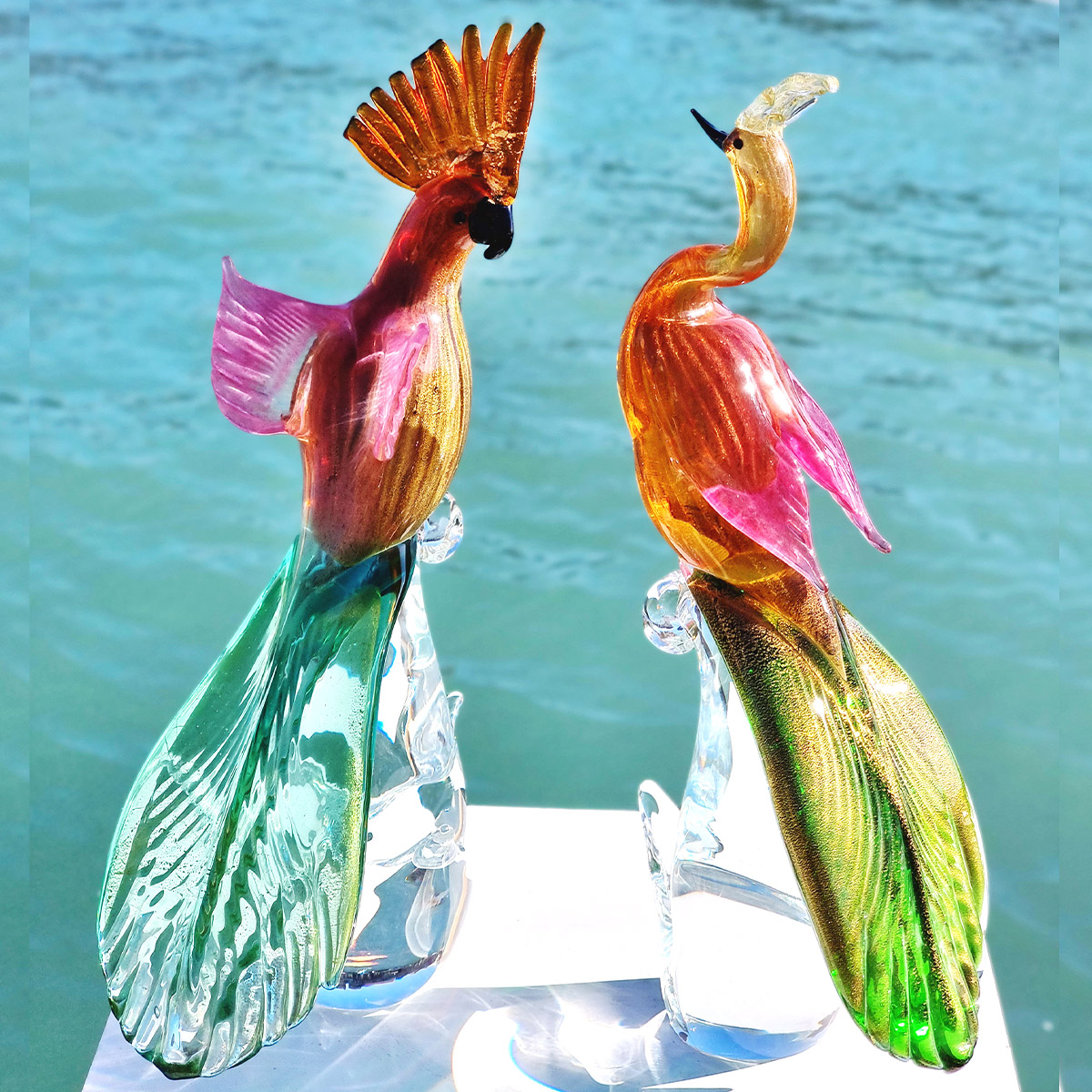
Explore our product galleries.
Visit
What determines its value over time
The value of a Murano glass piece doesn’t increase automatically.
There are specific factors that influence its long-term appreciation.
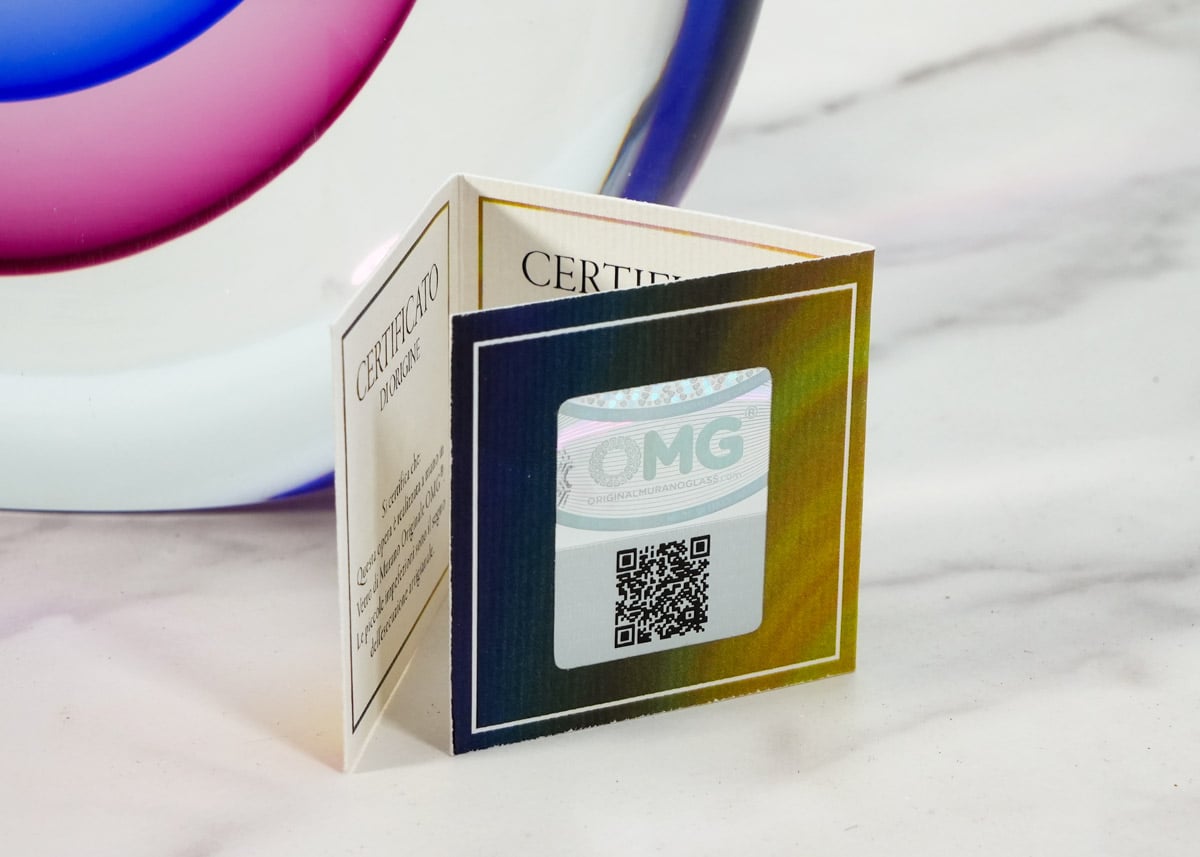
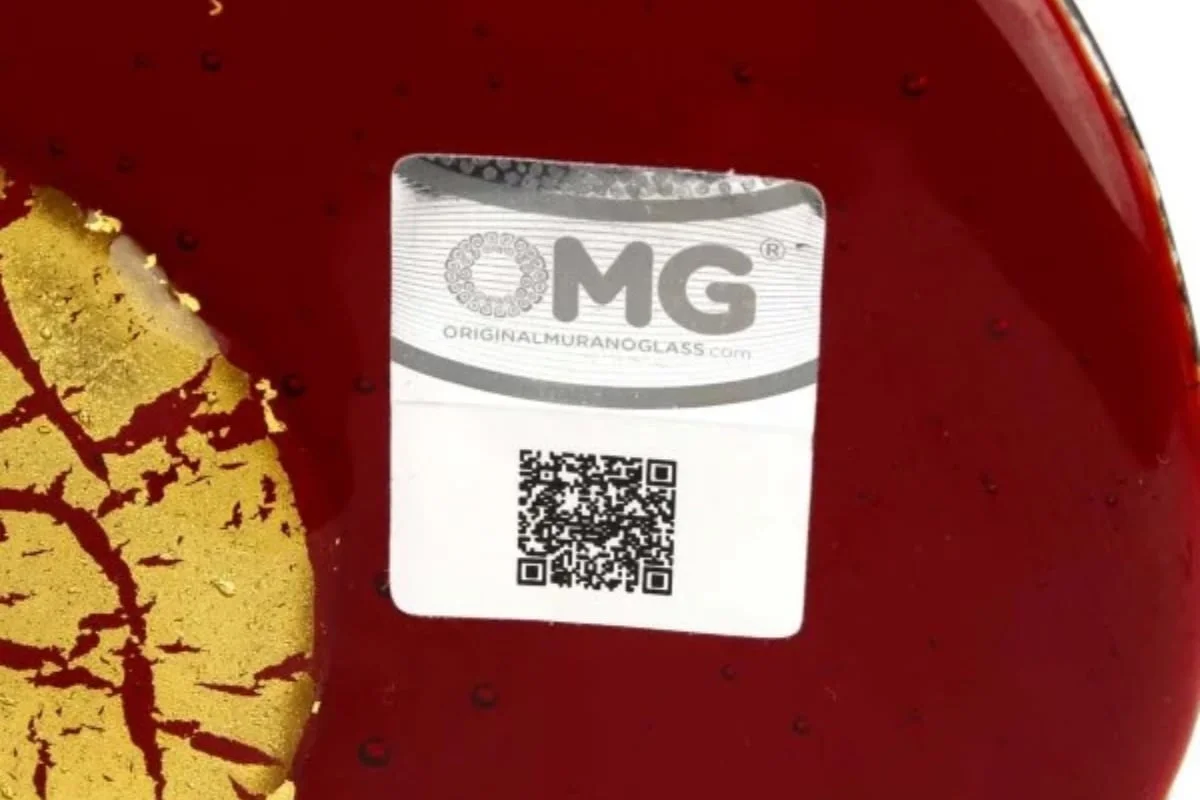
- authenticity: certificates and traceable provenance are essential;
- signature or maker’s mark: signed pieces often become more valuable over time;
- condition: scratches, repairs, or damage can reduce value;
- rarity: the rarer the piece, the more appealing it may become to collectors;
- market demand: value also depends on trends and collector interest.
A practical example?
Some glass pieces produced in the postwar period are now highly sought after because they represent a specific artistic and historical moment.
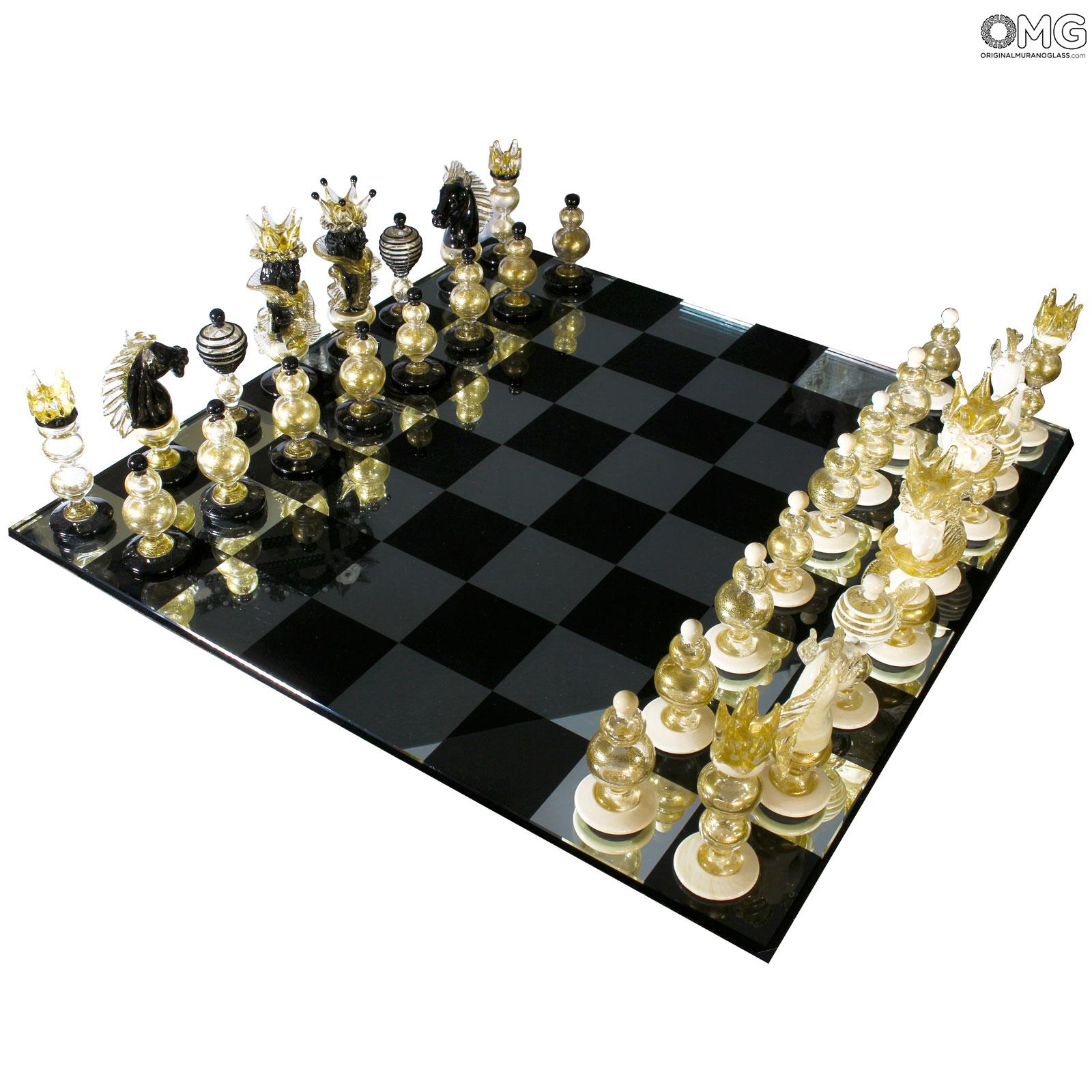
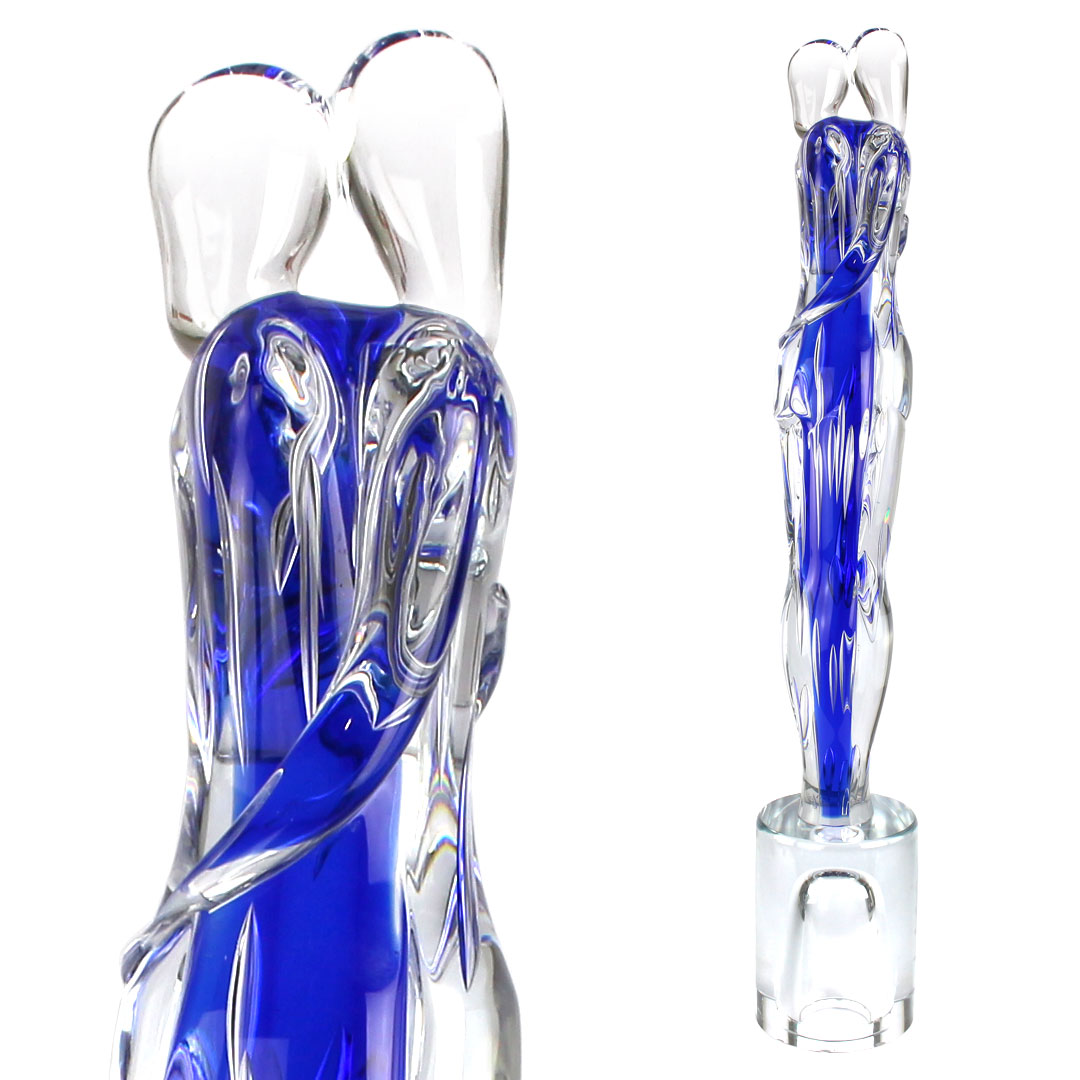
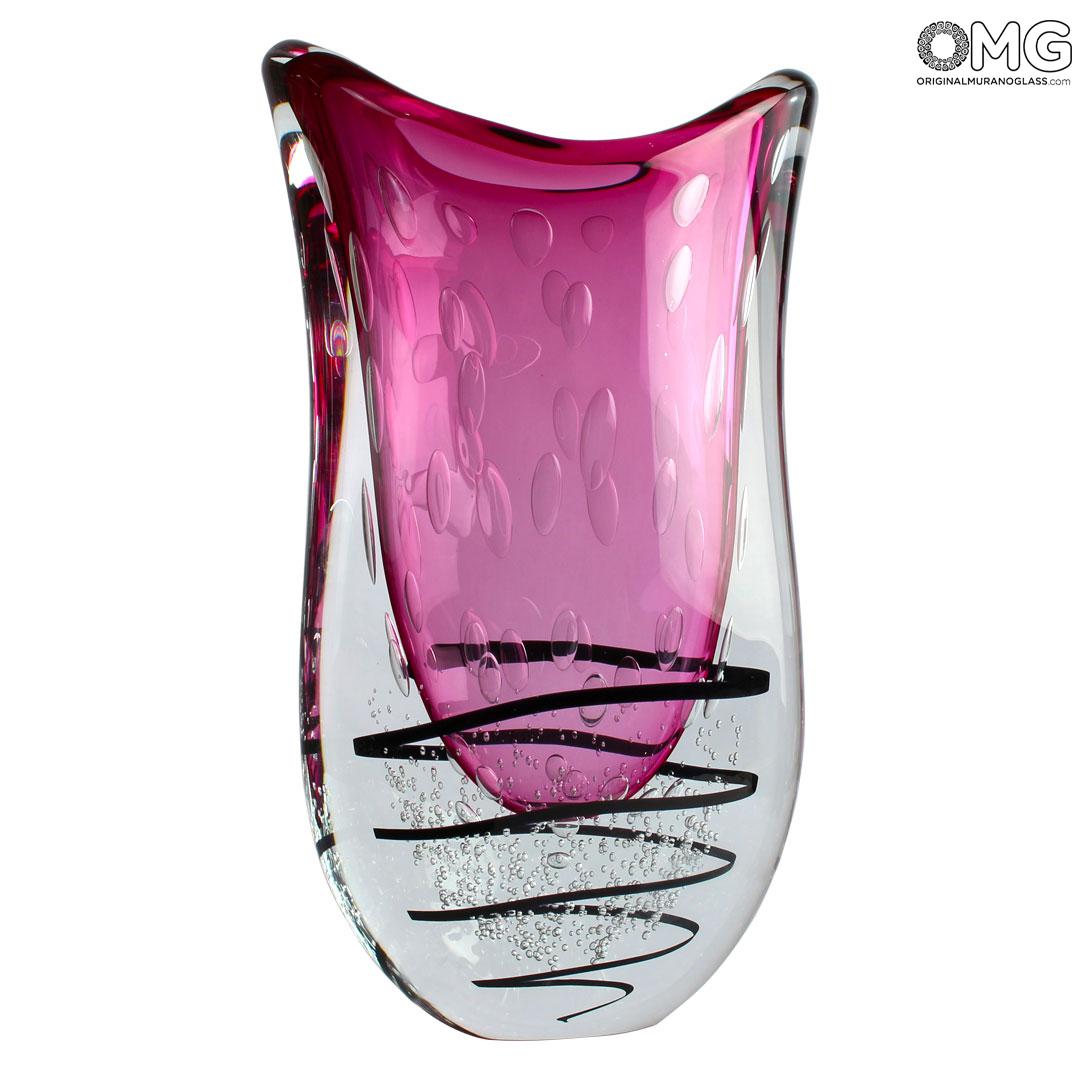
Here are some of our creations:


Important: it’s not an “automatic” investment
It’s important to be realistic: buying Murano glass does not automatically guarantee financial return.
Many pieces—especially mass-produced or highly tourist-oriented items—tend to retain stable value but rarely appreciate significantly over time.
That doesn’t mean they lack value; it simply means their importance is more connected to aesthetics and personal enjoyment.
Thinking of Murano glass only as a financial investment can be limiting—and sometimes misleading. Its true value often lies in the combination of beauty, history, craftsmanship, and personal meaning.
How to buy thoughtfully
If your goal is to combine aesthetic enjoyment with potential long-term value, choosing carefully is essential.
A few practical suggestions:
- learn about the furnace and the master glassmaker behind the piece;
- look for unique works or pieces with distinctive features;
- always request certificates of authenticity;
- buy from trusted sellers or directly in Murano;
- follow your personal taste, not just potential market value.
A thoughtfully chosen piece will always have greater value, regardless of the market.
And if its financial value grows over time, that should be an added benefit—not the only reason for buying it.
Conclusion
Ultimately, Murano glass can be an investment—but above all, it is an investment in beauty, tradition, and culture.
And that’s exactly what makes it truly unique.
If you have any questions, feel free to contact us here.
- +39 041 7794323
- +39 327 6842376
This email address is being protected from spambots. You need JavaScript enabled to view it.